Creating a home workspace that promotes productivity and comfort is essential in today’s remote work environment. Whether you’re working full-time from home or occasionally tackling tasks outside the office, having a well-organized, distraction-free area can make a big difference in your focus and overall well-being. In this post, we’ll explore key tips to help you design a workspace that enhances both comfort and concentration.
Why a Productive Workspace Matters
Your physical environment plays a major role in how well you can concentrate and perform tasks. A cluttered, uncomfortable, or poorly lit area can lead to distractions, fatigue, and reduced efficiency. On the other hand, a thoughtfully arranged workspace helps you maintain focus, minimize stress, and enjoy a better work-life balance.
Choosing the Right Location
Find a Quiet, Dedicated Spot
Choose a location in your home that is quiet and has minimal foot traffic. A dedicated space, even if small, signals to your brain that it’s time for work and helps you separate your professional tasks from personal life.
Consider Natural Light
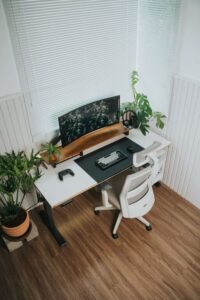
Natural light boosts mood and alertness. Position your desk near a window if possible, but avoid glare directly on your screen. If natural light is limited, invest in adjustable, soft lighting to reduce eye strain.
Invest in Comfortable Furniture
Select an Ergonomic Chair
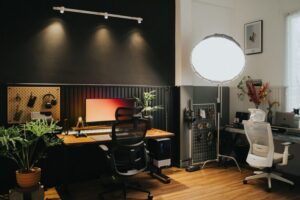
Long hours of sitting demand a chair that supports your back and encourages good posture. Ergonomic chairs with adjustable height and lumbar support help prevent discomfort and injuries.
Choose a Suitable Desk
Your desk should be large enough for your computer, notebooks, and other essentials without feeling cramped. Adjustable desks, including standing desk options, allow you to change positions throughout the day and stay comfortable.
Organize Your Workspace Efficiently
Keep Essentials Within Reach
Arrange your most-used items, such as your phone, notebooks, or pens, within easy reach. This reduces unnecessary movement and keeps you focused.
Declutter Regularly
A clutter-free desk helps minimize distractions. Use organizers, shelves, or drawers to store items neatly. Make it a habit to tidy up at the end of each day.
Use Cable Management Solutions
Tidy up cords and cables with clips, sleeves, or under-desk trays. This not only improves appearance but also prevents accidents.
Optimize Technology and Tools
Invest in a Quality Monitor and Accessories
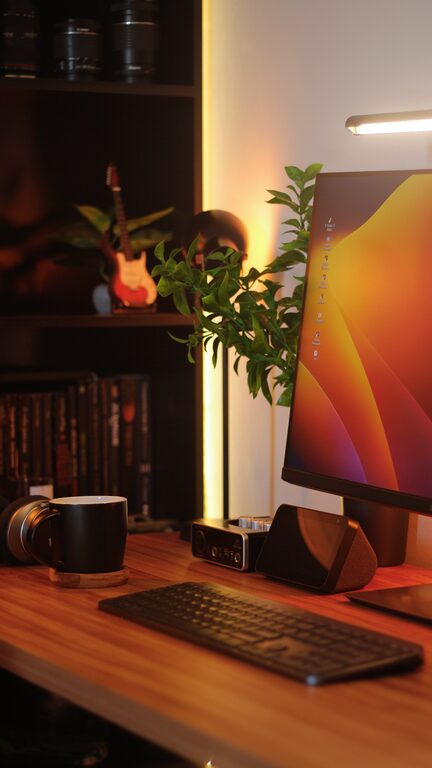
A good monitor at eye level reduces neck strain. A wireless keyboard and mouse can enhance comfort by allowing more natural hand positioning.
Use Headphones for Focus
Noise-canceling headphones can block out surrounding distractions, helping you stay focused during busy or noisy times.
Minimize Distractions
Set Boundaries with Household Members
Communicate your work schedule to family or roommates to minimize interruptions. Consider using a “Do Not Disturb” sign during critical work periods.
Turn Off Non-Work Notifications
Silence phone notifications and close non-essential tabs or apps during focused work sessions.
Personalize for Comfort and Inspiration
Add Greenery
Plants improve air quality and add a calming natural element to your workspace. Choose low-maintenance varieties like succulents or snake plants.
Use Colors Wisely
Colors can influence mood. Blues and greens promote calmness, while yellows and oranges can boost creativity. Choose a palette that supports your work style.
Incorporate Comfortable Accessories
A cushion for your chair, a wrist rest, or a footrest can make long hours more comfortable.
Take Regular Breaks and Move
No workspace setup can replace the benefits of movement. Use techniques like the Pomodoro method, working for 25 minutes and then taking a 5-minute break. Stand, stretch, and walk around to reduce fatigue and improve circulation.
Maintain Good Air Quality and Temperature
A well-ventilated room with a comfortable temperature contributes to alertness. Open a window occasionally or use an air purifier if needed.
Conclusion
Creating a productive home workspace that enhances focus and comfort is about making intentional choices that support your work habits and well-being. By selecting the right location, investing in ergonomic furniture, organizing efficiently, and personalizing your setup, you’ll set yourself up for success in any remote work situation. Remember, your workspace is a reflection of your needs and style—keep tweaking until it feels just right for you.