
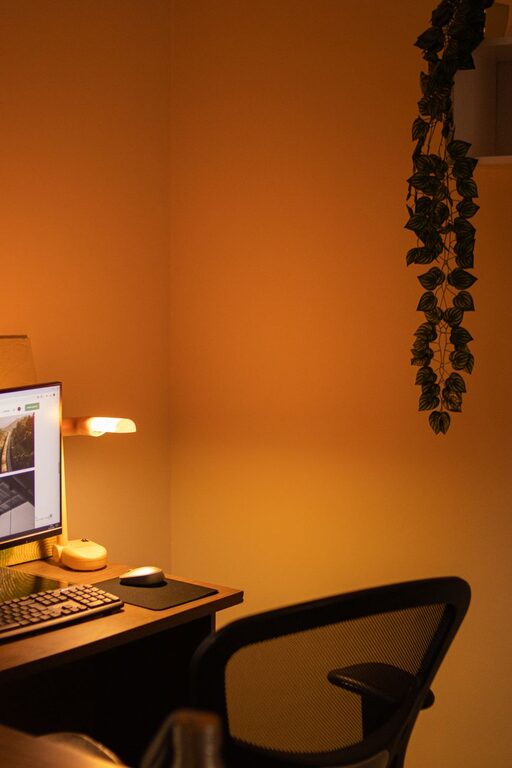
Creating a cozy and inviting home workspace is essential for maintaining focus and comfort during your workday. Whether you’re settling into remote work, freelancing, or just need a dedicated spot for projects and hobbies, designing a space that feels both functional and welcoming can make a big difference in your daily routine.
In this post, we’ll explore practical tips and ideas to help you create a home workspace that feels comfortable, organized, and inspiring.
Why a Cozy Workspace Matters
Your workspace is more than just a desk and chair—it’s the environment that supports your creativity and concentration. A cozy, inviting area can reduce stress and improve mental clarity, making it easier to stay motivated and productive. When your space feels good, you’re more likely to enjoy your work and maintain a healthy balance between work and home life.
1. Choose the Right Location
Consider Natural Light
Whenever possible, set up your workspace near a window. Natural light helps reduce eye strain and has mood-enhancing benefits. If natural light is limited, consider using a desk lamp with adjustable brightness and a warm light tone to mimic daylight.
Minimize Distractions
Find a quiet corner or room where you can focus without interruptions. If complete isolation isn’t possible, use noise-canceling headphones or soft background music to help keep distractions at bay.
2. Invest in Comfortable Furniture
Ergonomic Chair
A comfortable, supportive chair is key to preventing back and neck pain during long hours of work. Look for chairs with adjustable height and lumbar support, so you can maintain good posture.
Functional Desk
Choose a desk that fits your space and meets your needs. If you have limited room, consider wall-mounted foldable desks or compact desks with storage options to maximize efficiency without clutter.
3. Add Cozy Elements
Textiles and Soft Furnishings
Introduce textiles like a soft throw blanket, cushions, or a small area rug to add warmth and tactile comfort. These details can make your workspace feel less sterile and more inviting.
Plants and Greenery
Bringing plants into your workspace adds a touch of nature and improves air quality. Low-maintenance options like succulents or snake plants are perfect for busy environments.
4. Organize and Declutter
Use Storage Solutions
Keep your desk tidy with organizers such as trays, drawer dividers, or shelves. A clean, clutter-free space helps reduce stress and makes it easier to find your supplies.
Cable Management
Manage cords with clips, sleeves, or cable boxes to maintain a neat appearance. Tidying cables not only looks better but also prevents accidental plugs from pulling loose.
5. Personalize Your Space
Meaningful Decor
Display items that inspire you, such as framed photos, art prints, or a vision board. Personal touches help create a positive atmosphere that reflects your personality.
Inspirational Quotes or Calendars
Having motivational quotes or a well-designed calendar on your wall can help keep you encouraged and on schedule.
6. Optimize Lighting
Layer Your Lighting
Combine ambient, task, and accent lighting to create a balanced atmosphere. Use adjustable desk lamps for focused tasks and softer lighting elsewhere to reduce eye strain.
Light Bulb Choice
Opt for bulbs with adjustable color temperature, allowing you to switch between warm light for relaxing moments and cooler light for focused work.
7. Create Zones for Different Activities
If your workspace allows, designate specific areas for different tasks—such as a computer station, a writing nook, or storage zone. Separating these functions can help you stay organized and mentally switch between various activities.
8. Incorporate Break Spaces
Even a small corner with a comfy chair or cushions can offer a spot to relax and recharge. Taking short breaks away from your desk is proven to improve productivity and reduce fatigue.
Conclusion
Designing a cozy and inviting home workspace doesn’t have to be complicated. By selecting the right location, investing in comfortable furniture, adding warm elements, keeping things organized, and personalizing your area, you can create a space that supports your work and well-being.
Remember, the goal is a workspace that feels good to be in—one where productivity meets comfort. Try these tips and tailor them to fit your style and needs to make your home office a place you truly enjoy spending time in.