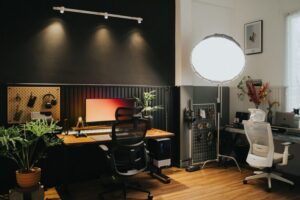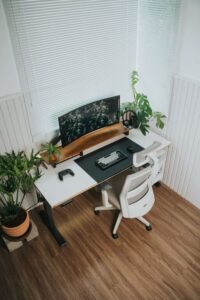
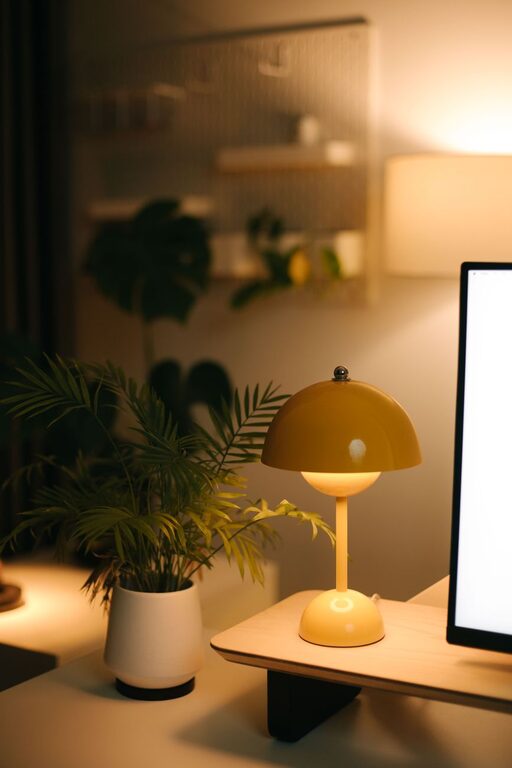
Creating a home office that is both cozy and functional can significantly enhance your productivity and overall well-being. Whether you work remotely full-time or occasionally need a quiet spot to focus, designing a space that balances comfort with efficiency is key. In this post, we’ll explore practical tips to help you set up a home office that feels inviting while meeting your work requirements.
1. Choose the Right Location
Selecting the ideal spot for your office is the first step. Look for a space with minimal distractions and enough room for your essentials.
– Natural light: Position your desk near a window to take advantage of daylight. Natural light improves mood and reduces eye strain.
– Quiet environment: Choose a quiet corner or room to minimize interruptions and noise.
– Separate from living spaces: If possible, keep your office area separate from places associated with relaxation to help your brain switch into work mode.
2. Invest in Comfortable and Supportive Furniture
Your chair and desk are the heart of your home office. Comfort and ergonomics are crucial to prevent fatigue and injury.
– Ergonomic chair: Choose a chair that supports your back and promotes good posture. Adjustable height and lumbar support are beneficial.
– Appropriate desk height: Your desk should be at a height where your arms rest comfortably at 90 degrees while typing.
– Extra seating: If space allows, consider a small armchair or bench for reading or taking breaks.
3. Prioritize Organization and Storage
A clutter-free workspace helps maintain focus and makes daily tasks easier.
– Shelves and cabinets: Use wall shelves or filing cabinets to keep papers and supplies organized.
– Desk organizers: Utilize trays, pen holders, and drawer dividers to keep your desktop tidy.
– Cable management: Use clips or sleeves to bundle cords together, preventing tangling and improving safety.
4. Create a Cozy Atmosphere
Adding elements that make your office warm and inviting encourages you to spend more time there with enthusiasm.
– Soft textiles: Incorporate rugs, cushions, or a throw blanket for texture and warmth.
– Greenery: Houseplants not only brighten the space but can improve air quality and reduce stress.
– Personal touches: Add artwork, photos, or decor items that inspire you and make the room feel personalized.
5. Use Adequate Lighting
Proper lighting reduces eye strain and creates an inviting ambiance.
– Layered lighting: Combine ambient light (ceiling fixtures) with task lighting (desk lamps) and accent lighting.
– Adjustable desk lamp: Choose a lamp with adjustable brightness and color temperature to suit different times of day and tasks.
– Avoid glare: Position monitors and lamps to avoid glare and reflections on screens.
6. Optimize Technology Setup
Your technology needs to be both efficient and unobtrusive.
– Reliable internet: Ensure strong Wi-Fi or wired connection to avoid disruptions.
– Quality peripherals: Invest in a good keyboard, mouse, and headphones to increase comfort and productivity.
– Screen arrangement: Position monitors at eye level to reduce neck strain.
7. Set Boundaries and Establish a Routine
A well-designed office space supports healthy work habits.
– Defined work hours: Use your space only for work during set hours to create a clear boundary.
– Break area: If possible, have a separate spot for breaks to mentally step away from work.
– Declutter regularly: At the end of each day, tidy your space to prepare for the next.
Summary
Designing a cozy and functional home office space involves more than just placing a desk in a room. By considering location, comfort, organization, lighting, and decor, you create a space that fosters focus and well-being. Tailoring your office to your personal style and work habits will encourage productivity and make working from home an enjoyable experience.
—
Creating the ideal home office is a journey—feel free to experiment and adjust your setup over time to find what works best for you.